
This post may contain affiliate links. Please see our disclosure policy.
When my new-to-me cousin drew a handwritten map on the back of his mother’s lunch menu, I figured I’d drive around Virginia for a few hours and maybe see an old house.
“Follow this road past the river where Grandma and her cousins swam,” he explained, sketching landmarks. “You’ll find the church where generations attended, and if you keep going, you’ll reach the home place.”

Scuffletown, Virginia. Not exactly a vacation destination. But driving on that country road where my great-great-grandparents lived changed how I think about family history research.
Why Heritage Travel Actually Matters
I’ve spent years building family trees and chasing records. But there’s a difference between knowing your 6th great-grandfather ran a coffee house in London and actually standing where his shop used to be, drinking coffee, watching people walk by on their way to work.
The research tells you the facts. Being there tells you the story.
The best part? You don’t need a perfect family tree to make this work.
Before you pack your bags, though, take time to organize those mystery family photos you’ve been meaning to identify. Heritage travel is the perfect opportunity to research them with local historical societies and relatives you might meet.
Here’s why this matters: Those unlabeled photos in your grandmother’s shoebox might show the exact locations you’re planning to visit. But fragile photos need proper handling before they become travel research tools.
If your old family photos are too delicate to handle safely, MemoryCherish offers professional scanning services that can digitize fragile images without damage. Having digital copies means you can share photos with local relatives or historical societies during your trip without risking the originals. Plus, you’ll have backup copies of any photos you discover during your travels.
The stories those photos unlock during heritage travel often become the most treasured part of the entire experience.
The research tells you the facts. Being there tells you the story.
What I Wish I’d Known Before My First Heritage Trip
Here’s what I figured out through trial and error—and what I wish someone had told me before I started planning:
You don’t need perfect records to start. I used to think I needed exact addresses before heritage travel made sense. Wrong. Even knowing “my great-grandmother was Irish” or “family stories mention Poland” gives you enough to create a meaningful experience. “DNA says I’m 30% German” works too.
Your genetic ethnicity can guide meaningful cultural experiences. MyHeritage’s DNA test and AncestryDNA not only show your ethnic breakdown but connects you to geographic regions where your ancestors lived. Understanding that you’re 40% Eastern European or 25% Scandinavian can help you plan cultural heritage trips even when you don’t have specific family records to guide you.
Sometimes DNA results reveal surprising heritage that opens up entirely new travel possibilities you never considered.
Pick one type of trip, not three. I learned this the hard way trying to cram research, sightseeing, and cultural immersion into one overwhelming week. Now I decide upfront what kind of trip I’m taking:
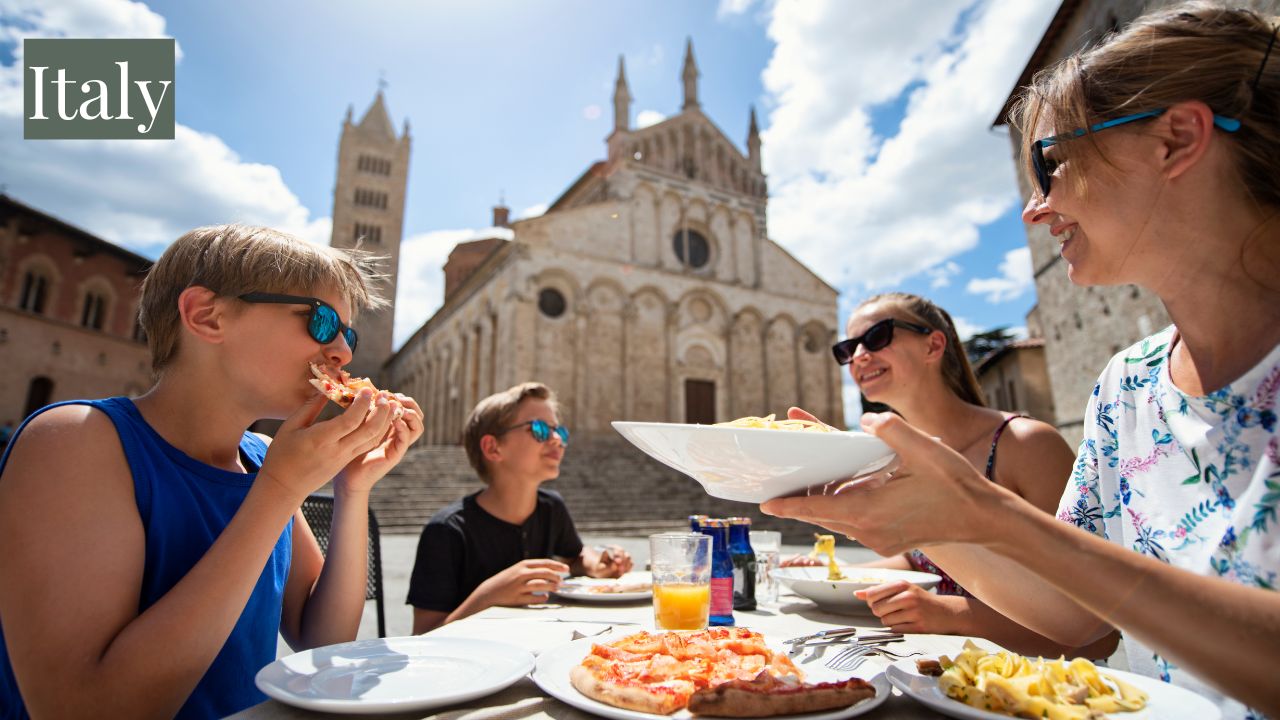
Want to experience your ancestors’ culture? Focus on food, traditions, and general areas rather than hunting for specific addresses. Think Irish cultural centers, German Christmas markets, or Italian cooking classes.
Planning serious archive research? Budget time for courthouses and records, not scenic drives.
Looking for specific ancestral locations? Map out 2-3 key places max and actually spend time there instead of racing around to see everything.
Plan for more than just looking around. The London trip taught me that heritage travel works best when you engage more than just your eyes. I spent time in that café near my ancestor’s coffee house not because it was historically significant, but because it helped me understand what his daily routine might have felt like.
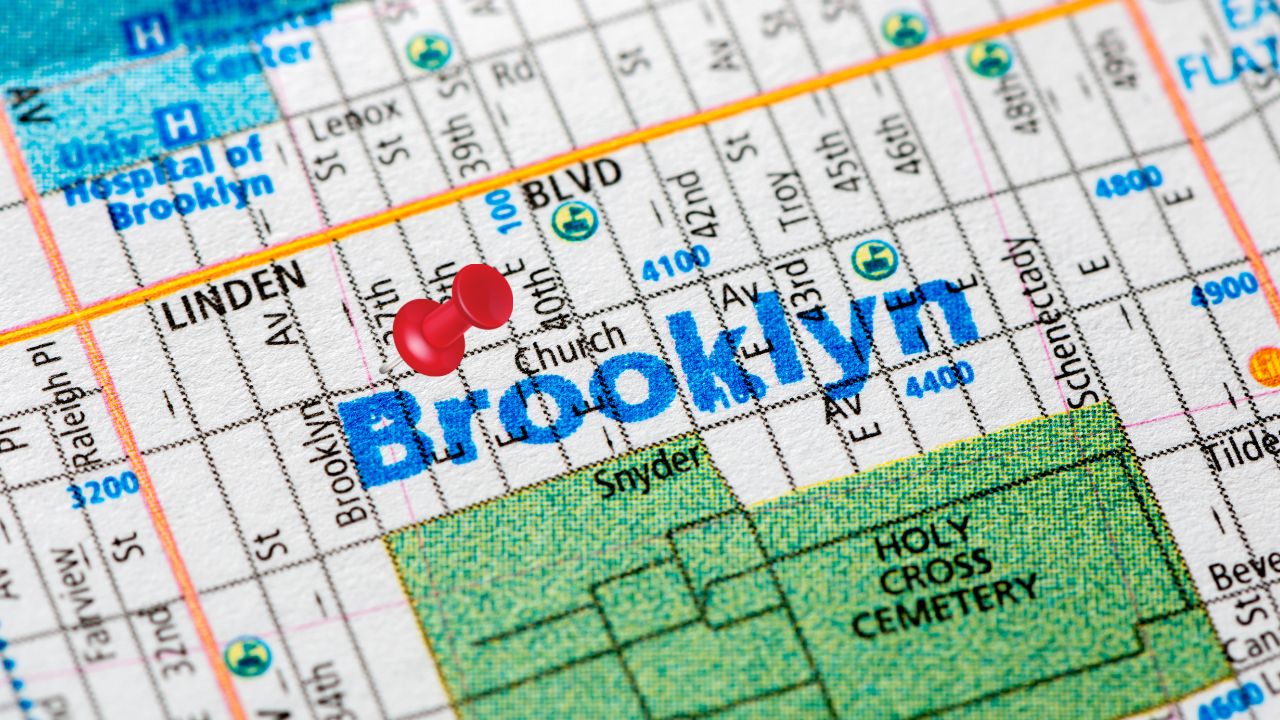
Find traditional restaurants. Walk old routes using historic maps. Experience the climate and landscape that shaped your ancestors’ choices. The David Rumsey Map Collection has thousands of historic maps you can overlay with modern locations.
Research the context, not just your family. Before you go, learn what was happening in that area during your ancestors’ time. What drove people to leave or stay? What did daily life look like?
If your family immigrated to America, understanding their journey makes heritage travel more meaningful. Discovering your immigrant ancestry helps you research not just where they came from, but why they left.
Local historical societies are goldmines for this kind of information, and they’re usually happy to help someone who’s genuinely interested.
Document it right. You’re not just collecting memories for yourself. Your kids might not care about census records now, but they’ll remember stories about the place where their great-great-grandmother grew up.
Take photos that show context, not just tourist shots. Write down what you notice that surprises you. Keep small things like local newspapers or church bulletins.
When You Can’t Actually Travel
Sometimes life gets in the way. You can still make this work:
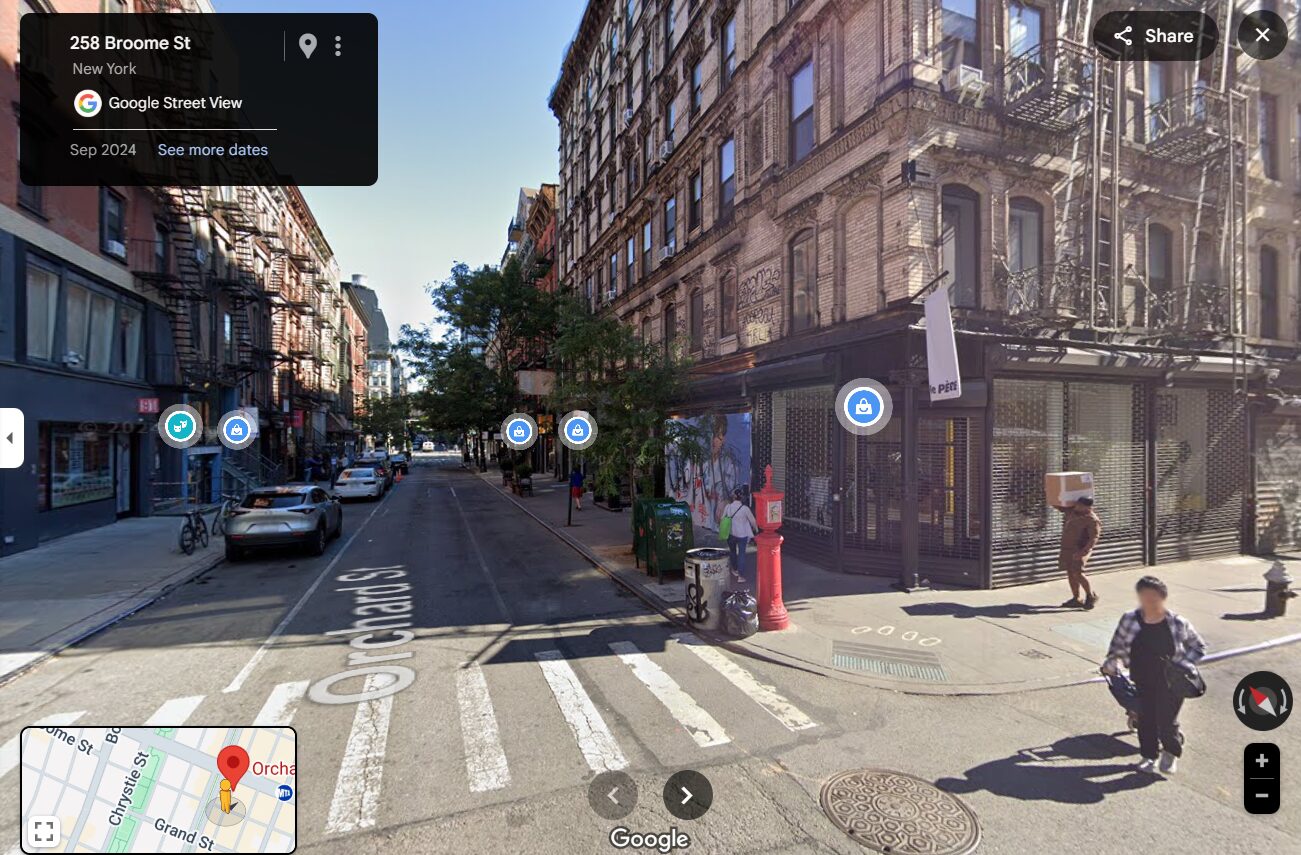
- Google Street View lets you “walk” through ancestral neighborhoods and see what the area looks like today
- Museum websites often have detailed online collections from your ancestors’ regions. Google Arts & Culture offers virtual museum tours from around the world, including many heritage-focused collections.
- Local cultural organizations in your area might represent your ancestors’ homeland and offer events or resources
- Traditional cooking brings family heritage directly into your kitchen—and your kids will actually pay attention to family history when it comes with dinner. Our podcast explores exactly this connection between food and family stories.
Not the same as being there, but definitely better than just staring at genealogy charts.
Why This Matters
After several heritage trips and years of regular genealogy research, here’s what I’ve learned: your family history lives in more than documents.
Your kids might roll their eyes at another family tree discussion, but they’ll listen to stories about the time you stood where their ancestor lived. They’ll remember the foods you cooked from great-grandmother’s homeland. They’ll connect with experiences, not spreadsheets.
Getting Started
Whether your people came from Ireland, Mexico, small-town America, or anywhere else, their world is still there waiting for you to discover it.
You don’t need perfect records or unlimited money. You just need to be curious enough to experience your family story instead of just researching it.
Planning to research British ancestors during your heritage trip? These free UK genealogy websites will help you prepare your research strategy before you go. And remember, the documents you discover during heritage travel might contain clues you’ve been missing in your stateside research.
Where are your ancestors calling you to visit? Tell me in the comments—I love helping people figure out their next steps.


Lisa, glad you got to visit ancestral sites in England. I got to do that years ago (sites in England on my mother’s side) and will never forget what I saw and how I felt. In recent years my cousin has traveled multiple times to England and Leiden to visit the ancestral sites (on my father’s side) of our Mayflower ancestors. I’m so glad to have her photos and stories as I am not likely to be going again.