
This post may contain affiliate links. Please see our disclosure policy.
The stories are slipping away.
Your mom mentions your great-grandmother’s name in passing, and you realize you’ve never heard that story before. Your dad pulls out a box of old photos, and half the faces are mysteries. Your grandmother’s recipe for that amazing soup she used to make? Lost somewhere in a kitchen drawer, written in her handwriting that’s getting harder to read.

You know you should be doing something about this. You’ve thought about diving into family history, but every time you start researching, you feel overwhelmed. Ancestry.com feels complicated. Census records seem impossible to navigate. You don’t even know where your family came from, let alone how to trace them back generations.
Here’s what I want you to know: You’re already qualified to preserve your family history.
What Family History Actually Means
When most people hear “family history,” they picture dusty archives, complicated family trees, and hours spent squinting at microfilm. But here’s the truth: family history isn’t just about finding your great-great-grandfather’s birth certificate.
Family history is your mom’s laugh that sounds exactly like her mother’s. It’s the way your dad tells the same story every Christmas, adding new details each year. It’s your grandmother’s handwriting on recipe cards, your grandfather’s tools in the garage, and the photo of your parents’ first apartment that makes them both smile.
You don’t need to trace your lineage back to the Mayflower to preserve what matters.
The most precious family history isn’t hiding in some distant courthouse—it’s sitting at your kitchen table right now. It’s in the stories your family tells, the traditions you barely notice, and the everyday moments that feel ordinary but won’t always be there.
Your job isn’t to become a professional genealogist. Your job is to notice, capture, and save the pieces of your family’s story before they fade.
Simple Ways to Start Today
1. Ask One Question This Week Call your mom, dad, or the family storyteller and ask about one specific memory. Not “tell me about the old days,” but “What was your first apartment like?” or “What did Sunday dinners look like when you were growing up?” Record it on your phone or jot down notes afterward.
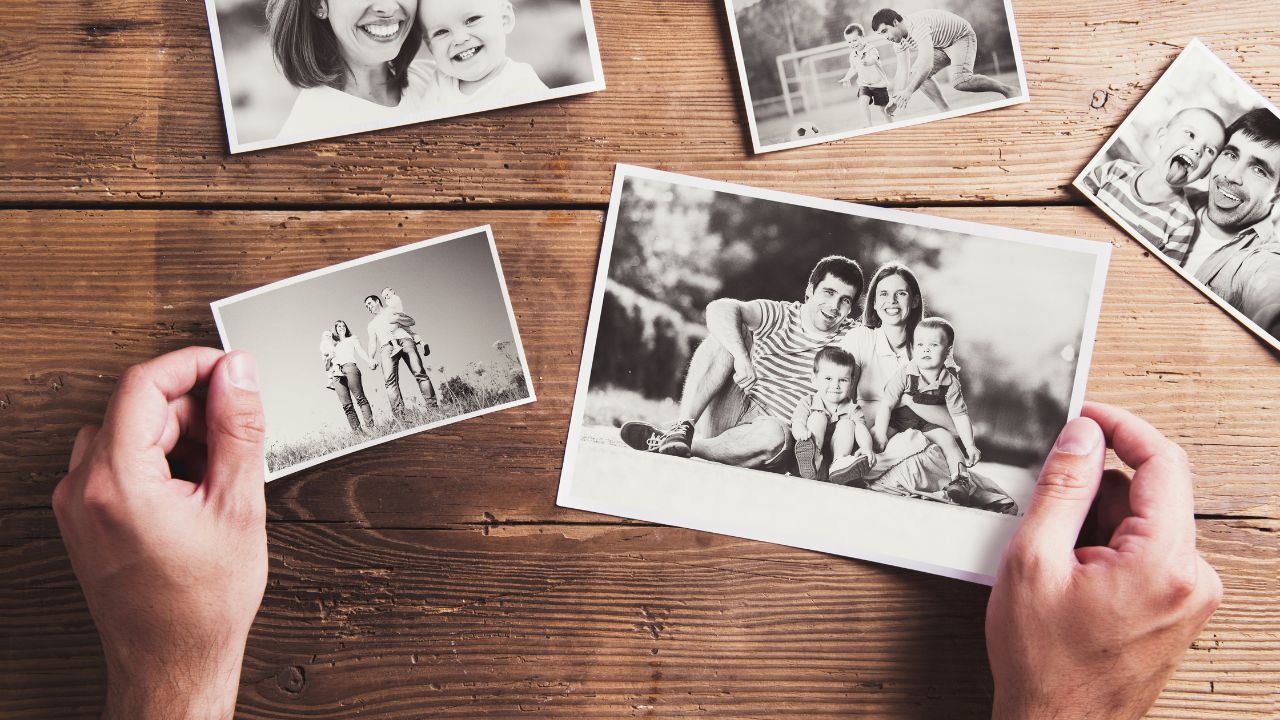
2. Rescue Three Photos Find three family photos that need names or context. Text them to relatives with a simple question: “Who is this?” or “When was this taken?” Save their responses in your phone’s notes or email them to yourself.
Once you’ve identified a few photos and gathered their stories, you’ll want to organize everything with this simple 6-step system so nothing gets lost again.
3. Document One Tradition Write down how your family celebrates something—birthdays, holidays, Sunday mornings, or even how your mom makes coffee. Include the little details that feel obvious now but won’t be in twenty years.
4. Save One Recipe Ask for the recipe behind a dish that says “family” to you. Don’t just get the ingredients—get the story. Why did your grandmother make this? When did your family eat it? What makes it special?
These aren’t research projects—they’re conversations. They’re paying attention to what’s already there.
Need more ideas for the kinds of stories to capture? Here’s how to pull meaningful stories from your ancestors that go beyond just names and dates.
The Legacy You’re Actually Creating
When you capture these stories, you’re not just preserving the past. You’re giving your children something to hold onto when the voices are gone. You’re creating a bridge between generations that goes deeper than names and dates.
Your kids might not care about census records, but they’ll remember the taste of their great-grandmother’s cookies. They’ll ask for “that pasta dish you always make” and unknowingly carry forward traditions that stretch back generations.
The research can come later. The stories need to be saved now.
You have everything you need to start: curiosity, a phone that can record, and people who love you enough to share their memories. That’s not just enough—that’s everything.
Your family’s history is waiting in the everyday moments, the repeated stories, and the hands that still remember how things used to be done. You don’t need special skills to save them.
You just need to start.


