
This post may contain affiliate links. Please see our disclosure policy.
Your kids might roll their eyes when you mention updating the family tree, but I guarantee they’ll fight over who gets great-grandmother’s handwritten recipe cards. The difference? One feels like homework, the other feels like home.
I’ve discovered something important: the most treasured family legacies aren’t perfect genealogy charts. They’re the messy, meaningful collections that tell stories and trigger memories. And honestly? I’m still learning this lesson myself.
Looking at my own mother’s recipe boxes sitting in my kitchen, I realize I haven’t been as intentional about creating these meaningful collections for my own children. But that’s exactly why I know these strategies work—because they’re designed for real families with busy lives, not just dedicated family historians.

Table of Contents
- The Problem with “Perfect” Organization
- 1. Create “Story Boxes” Instead of File Folders
- 2. Turn Documents into Dinner Table Stories
- 3. Make Photo Albums That Tell Stories, Not Just Show Faces
- Remember…
- 4. Build a Family Recipe Collection with Context
- 5. Create “Memory Triggers” for Future Conversations
- The Truth About “Good Enough”
- Your Next Step
The Problem with “Perfect” Organization
Most family history organization advice assumes you want to become a professional researcher. File folders by surname, source citations, meticulous documentation. While these systems work for serious genealogists, they often overwhelm the very people who will inherit our collections.
Your children and grandchildren don’t need perfect research—they need connection. They need stories that help them understand where they come from and what matters to your family.
1. Create “Story Boxes” Instead of File Folders
Change those intimidating filing systems into story collections that feel more like treasure chests. Instead of organizing by surname or record type, group items around themes that matter to your family:
- The Adventurers Box: Travel photos, immigration documents, and letters from family members who moved far from home
- The Creators Box: Art, music, recipes, business ventures, and evidence of family creativity
- The Survivors Box: Stories of overcoming challenges, military service, and family resilience
Include a simple one-page summary in each box explaining why these items matter and what stories they tell. This context turns random documents into meaningful narratives.

2. Turn Documents into Dinner Table Stories
The most powerful family history preservation happens during casual conversations, not formal interviews. Create easy opportunities for storytelling by keeping certain items accessible:
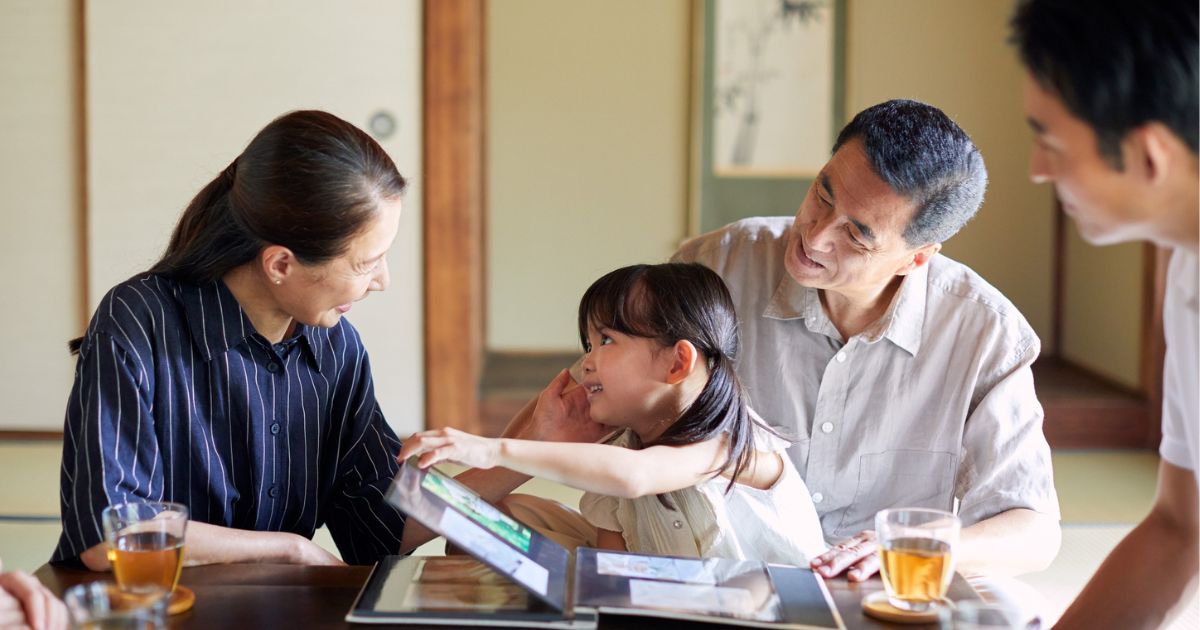
Keep a small photo album on your coffee table with pictures that prompt questions. Rotate them seasonally or when family visits. When someone asks “Who’s this?”, you’re ready with a story.
Create a simple family cookbook that includes not just recipes, but the stories behind them. Tools like Storied, MyHeritage‘s MyStories, or even a simple word document can help you capture these food memories alongside the ingredients.
3. Make Photo Albums That Tell Stories, Not Just Show Faces
Traditional photo albums often become museums—beautiful but untouchable. Instead, create albums designed for interaction:
- Add context directly to photos: For modern prints and digital photos, write on the back or use photo-safe pens to add dates, locations, and one-sentence stories. Important: Never write on antique photographs or true family heirlooms—instead, create separate documentation or use archival sleeves with notes
- Use apps for digital storytelling: Platforms like Artifcts allow you to attach stories, audio recordings, and context directly to photos of family heirlooms, creating rich digital narratives without touching the original items
- Group photos by story, not just event: “Grandpa’s Workshop,” “Mom’s Garden Through the Years,” “Family Traditions”
- Include empty spaces: Leave room for future photos and stories to continue the narrative
The goal isn’t preservation perfection—it’s creating albums people will actually pick up and flip through.
Remember…
Your family doesn’t need you to be perfect at this. They need you to be present and intentional about creating connections between past and future.
4. Build a Family Recipe Collection with Context
Food connects us to our heritage in ways that genealogy charts simply can’t. But a recipe collection becomes truly meaningful when it includes the stories:
- Who made this dish and when: “Grandma’s Sunday pot roast—the meal that brought everyone home”
- Family modifications: “Dad always added extra garlic, and now so do I”
- Occasions and memories: “We only made this for Christmas morning”
Don’t worry about having perfect recipes. Some of the most treasured family dishes exist only in someone’s memory and muscle memory. Document what you can, and ask family members to help fill in the gaps.
If you want to create something more formal, digital platforms like Storied make it easy to combine recipes with photos and family stories in a beautiful printed cookbook.
5. Create “Memory Triggers” for Future Conversations
The most valuable family history often exists in casual stories that emerge during everyday moments. Create opportunities for these conversations to happen naturally:
- Display meaningful objects: Great-grandfather’s tools, grandmother’s jewelry, family heirlooms that prompt “tell me about this” questions
- Keep conversation starters handy: My book “100 Questions for Grandma” or apps like Artifcts can help guide natural storytelling
- Document the little things: Family sayings, inside jokes, holiday traditions that might seem too small to matter but define your family culture
The Truth About “Good Enough”
The truth I’ve discovered about “good enough”: the stories that get passed down aren’t always the ones we carefully preserve. They’re the ones we naturally share.
Your family doesn’t need you to be perfect at this. They need you to be present and intentional about creating connections between past and future. Start with one box, one album, or one recipe collection. Make it approachable, make it meaningful, and most importantly, make it something your family will actually want to engage with.
The goal isn’t to organize everything—it’s to organize the things that matter in ways that invite connection rather than intimidation.
Your Next Step
Pick one area where your family memories feel chaotic and try one of these approaches. Maybe it’s finally scanning those loose photos into a story-based album, or gathering your family’s favorite recipes into one place.
Remember, the best family legacy is one that gets used, shared, and added to by future generations. Start simple, stay connected to the stories, and trust that meaningful is always better than perfect.
Ready to start preserving your family’s story in ways that actually matter? Join our community of family storytellers who believe memories are meant to be shared, not just stored. Get weekly tips for turning family history into family connection.


Lisa, I love your approach to organizing by “story” and not worrying about perfection. Helping our family make emotional connections to ancestors is a vital element in keeping alive the memories of those who came before us.