
This post may contain affiliate links. Please see our disclosure policy.
Identifying old family photographs does not have to be impossible! Tips to identify your ancestors and discover your family history in old family photos.
Have you ever found yourself staring at old family photos, wondering who those unfamiliar faces might be? You’re not alone—unlabeled or mysterious photos are a common puzzle for genealogists. Thankfully, there are reliable strategies that can help turn those mystery individuals into identified ancestors.
In the following tips, you’ll discover four proven methods to guide you through the process of uncovering the stories behind your old family photos, helping you unlock more of your family’s rich history.
Genealogy research, old family photos and mystery individuals in those photos seem to go hand in hand!
(But they don’t have to!)
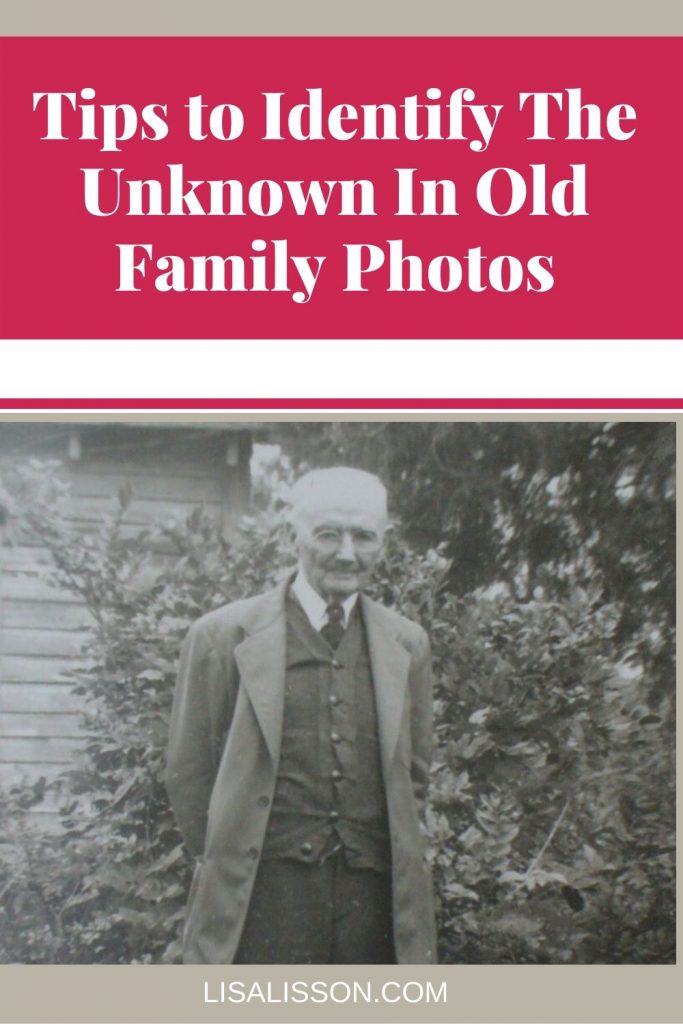
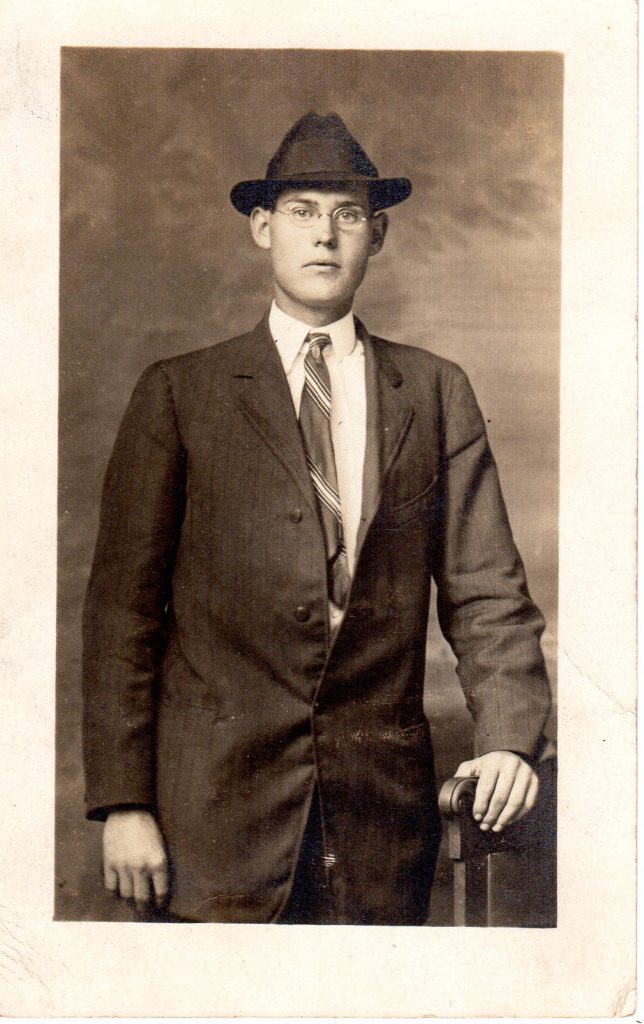
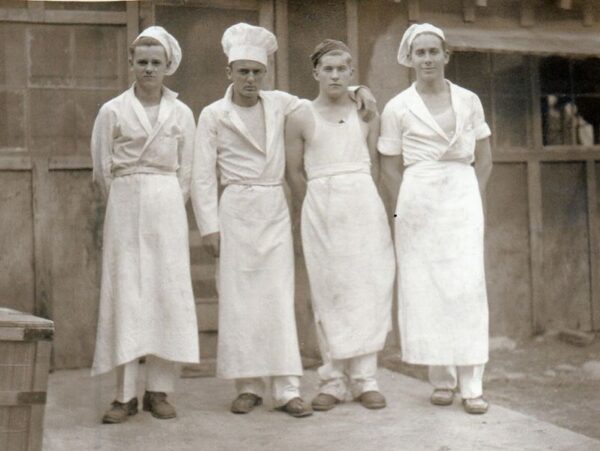
The old family photographs I share in this post arrived in a box originally marked “Richardson”. Unfortunately, none of the photographs are labeled. (I’m sure your ancestors labeled all of their photographs, right?!)
I do strongly suspect the men are from my Richardson family of Pittsylvania County, VA. There is a certain family “look” I have come to recognize in known Richardson family photos – family resemblance is real, and it can be a useful clue.
However, there is the distinct possibility some of these men and women were just friends of the family or were some of my Elliott ancestors. Just because the photos were in the Richardson box does not a guarantee all of these people were Richardsons. Don’t trust you ancestor or relative’s organizational skills! After all, these photographs were stored in a trunk for approximately 80 years – 50 of those years in a southern Virginia barn!
So, how about you?
Do you have unknown photographs in your closet? Still wondering how to even start identifying the people in those family photographs?
Table of Contents
- Why Identifying Unknown Family Photos Is Important
- 4 Proven Strategies to Identify Ancestors in Photos
- Tip #1 – Ask Relatives for Photo Identification
- Tip #2 – Use Social Media to Identify Family Photos
- Tip #3 – Free Websites for Unlabeled Family Photos
- Tip #4 – How Google Image Search Identifies Ancestors
- Common Mistakes to Avoid When Identifying Family Photos
- FAQ: Answers to Common Questions About Identifying Old Family Photos
- Do you have unknown photos in your collection?
Why Identifying Unknown Family Photos Is Important
Identifying old family photos isn’t just about putting names to faces—it’s a vital step in piecing together your family’s story and understanding your heritage. Each photograph serves as a historical artifact, offering a glimpse into the lives of your ancestors, their relationships, and the communities they were part of.
By uncovering the identities behind these unknown faces, you can gain insights into family dynamics, cultural practices, and the social contexts in which your ancestors lived. For instance, a photo of a family gathering can reveal connections between distant relatives, helping you trace branches of your family tree that may have been overlooked. You might discover how different branches of the family interacted or even learn about occupations and hobbies that were significant to your ancestors, providing a fuller picture of their lives.
Additionally, the faces you uncover could unlock new leads for your research. Perhaps a photograph features a relative whose name you didn’t know—this could lead to finding additional records, such as birth or marriage certificates, that might have otherwise remained hidden. Identifying individuals in photographs can also help you break down those pesky brick walls in your research, as new connections often lead to new discoveries.
Taking the time to identify unknown family photos enriches your genealogy journey by adding depth to your family’s story, uncovering new research opportunities, and reconnecting you with your ancestral roots.
4 Proven Strategies to Identify Ancestors in Photos
Old family photos and mystery individuals often seem to go hand in hand. But they don’t have to! In this post, I’ll share my experience with a box of family photos labeled “Richardson,” none of which were actually labeled with names.
While I suspect the men in the photos are from my Richardson family of Pittsylvania County, VA, there’s also a chance some of these individuals were just friends or other relatives.
If you’ve found yourself with a similar collection of unidentified photos, don’t worry—these four strategies will help you begin identifying the faces in your family’s history.
Tip #1 – Ask Relatives for Photo Identification
It may seem obvious, but one of the best ways to start is by asking family members.
Don’t limit your search to close relatives—reach out to distant cousins or collateral relatives. Sometimes, the answers to your photo mysteries come from unexpected branches of the family tree.
Share your photos with as many relatives as possible, even if it means doing some additional descendant research to track down living family members.
The more eyes you have on your unidentified family photographs, the greater the chance of someone recognizing the faces.
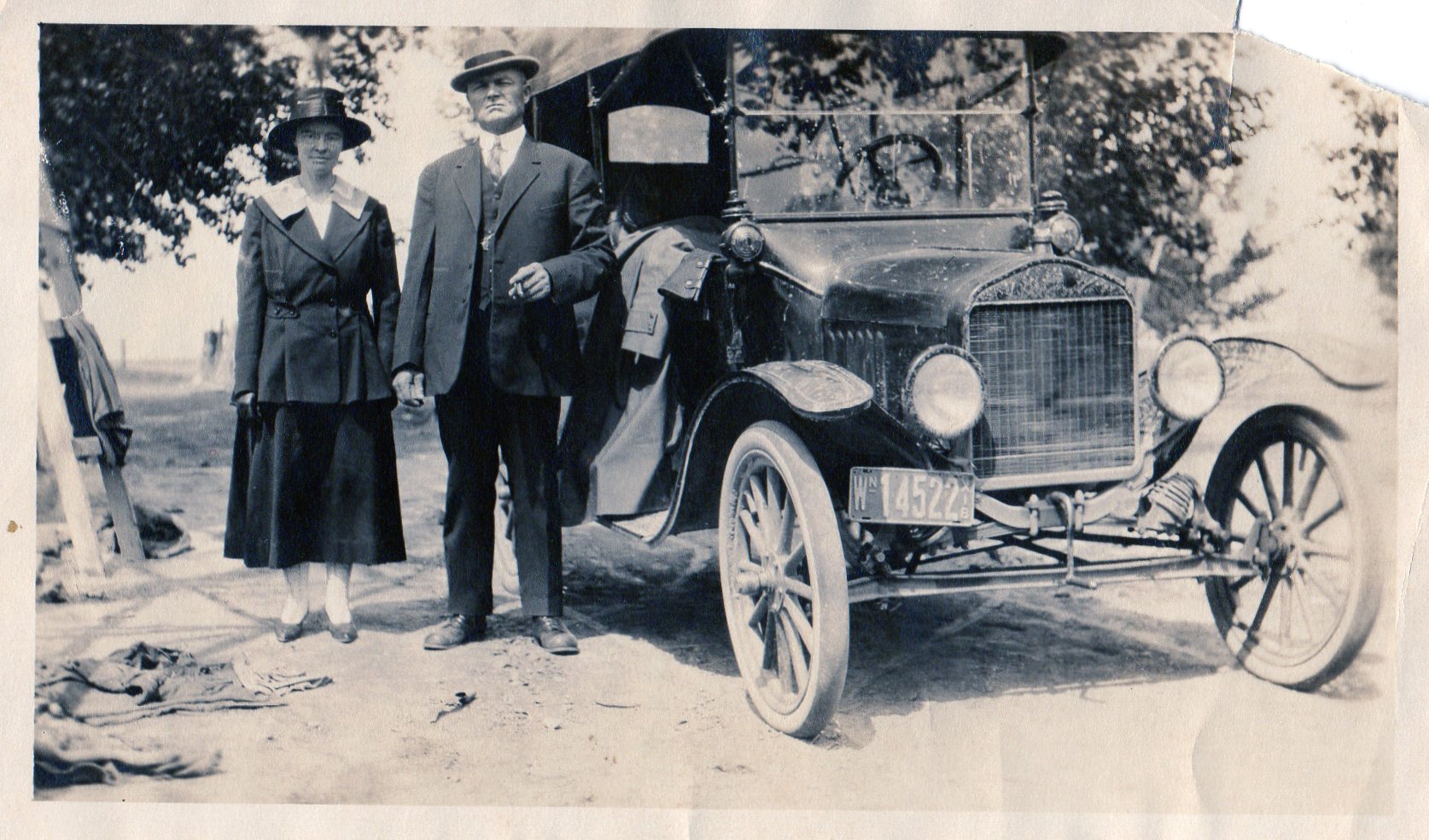
The photograph below is a good example of this concept. This couple’s photograph sat for years in my unknown collection.
I was consulting a Richardson researcher about a different photograph when my break came. He glimpsed this photograph and identified the couple as his grandparents Matthew and Edna (Richardson) Yeaman. This Richardson researcher was from Alaska and is my third cousin twice removed.
Remember: No relative is too far in distance or location on the family tree not to potentially have information on your photographs.
Tip #2 – Use Social Media to Identify Family Photos
Social media is a powerful tool for genealogy research. Share your unidentified photographs in relevant Facebook groups, like those focused on genealogy, local history, or even groups specifically for your family’s surname.
Examples of Facebook groups for my Richardson photographs include Pittsylvania County Genealogy, Virginia Genealogy, North Carolina Genealogy, U.S South Genealogy Research Community, and Halifax County, VA Genealogy and History. and received valuable feedback from people I had never met.
You can also create a photo album on platforms like Google Photos or Flickr, then share the link in various groups. This way, you avoid uploading each photo individually and give more people access to your collection.
The larger the audience you reach, the better your chances of finding someone who can help.
Tip #3 – Free Websites for Unlabeled Family Photos
There are several dedicated websites that specialize in helping you identify old, unlabeled family photos. Sites like DeadFred.com allow you to upload your unidentified photos, where others can browse and potentially recognize faces.
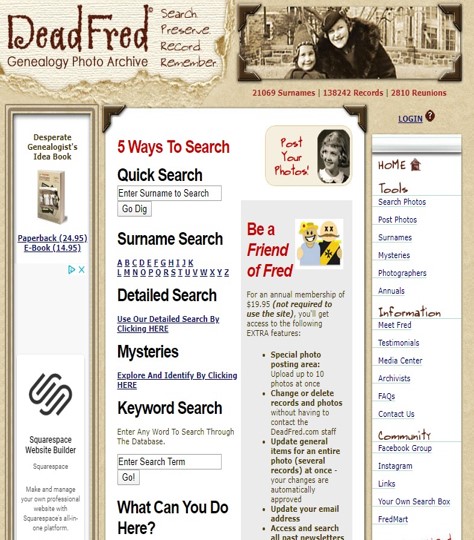
You can also search by surname, location, or photographer’s name, which can sometimes yield surprising results.
In addition to DeadFred, consider exploring PhotoTree.com, which focuses on sharing historical photos and connects users with similar interests.
These sites are free to use, making it easy to reach out for help. Remember to check back regularly, as new photos and potential matches are frequently added.
Want to go deeper? My Cracking the Family Photo Code webinar walks you through the full process — from dating the photograph to building the research trail around it.
Tip #4 – How Google Image Search Identifies Ancestors
One of the most underused tools in genealogy photo research is Google Image Search. Upload your unidentified photograph into Google’s image search feature, and see if the same image appears somewhere else on the web.

You may be surprised to find that another family historian has already uploaded the same photo with additional information or even names.
While Google Image Search can feel like a shot in the dark, it’s worth trying, especially if the photograph has distinct features, like an unusual setting or background. With a bit of luck, you might stumble upon a website or blog post where your ancestor’s face is already identified.
Common Mistakes to Avoid When Identifying Family Photos
Identifying old family photos can be rewarding, but it’s easy to make mistakes. Here are some common pitfalls to watch for:
1. Relying Too Heavily on Family “Looks”
While family traits can help in identification, they can also be misleading. Physical resemblances may skip generations, so use them as a starting point rather than a definitive identifier.
2. Assuming Everyone is from the Same Family Line
Don’t assume that all individuals in a photo come from the same family. Photos can easily get mixed up, including friends or neighbors. Always consider the possibility of unrelated individuals being present.
3. Overlooking Contextual Clues
Pay attention to details like clothing styles and backgrounds — and if you’re not sure what type of photograph you’re looking at, identifying the photo type is the place to start. The type tells you the decade, and the decade narrows your suspect pool considerably. These contextual clues can provide vital information about the people and help narrow down potential relatives.
4. Ignoring Collaboration
Don’t tackle the identification process alone. Reaching out to family members or distant cousins can provide new insights and valuable context that you may not have.
By being mindful of these common mistakes, you can enhance your process of identifying family photos. Keep an open mind and embrace the detective work—your family’s story is waiting to be uncovered!
FAQ: Answers to Common Questions About Identifying Old Family Photos
Q: How do I know if a photo is worth keeping if I can’t identify it?
It’s always worth keeping old family photos, even if they remain unidentified for years. You may not recognize the faces now, but future research or connections with distant relatives could solve the mystery.
Q: What if no one in my family recognizes the photos?
Expand your search! Use social media, genealogy groups, and specialized websites to reach a wider audience. You never know where a breakthrough might come from.
You might also find that expanding your photo collection actually helps — sometimes finding more photos of the same era or family line gives you comparison faces. Here are 9 places to look for old family photos you may not have found yet.
Q: Are there any tools or apps that can help me identify people in old photographs?
Yes! Several tools and apps can assist in identifying people in old photographs. Photo recognition software, like Google Lens or genealogy apps with facial recognition features, can help match faces to known individuals. Additionally, the photo dater at MyHeritage can indicate when a photograph was taken, narrowing down who could actually be in the photograph.
If you want to do it yourself, I walk through the process step by step in How To Determine the Date of an Old Family Photograph.
Do you have unknown photos in your collection?
Work through these four tips and start uncovering the stories behind the faces.
Once you start identifying them, a simple organization system will keep everything from ending up back in a box with no labels — which is how you got here in the first place.
Share your progress in the comments below—I’d love to hear your success stories!



Lisa,
I want to let you know that your blog post is listed in today’s Fab Finds post at http://janasgenealogyandfamilyhistory.blogspot.com/2015/07/follow-friday-fab-finds-for-july-10-2015.html
Have a great weekend!
My husband is a descendant of Wm. Richardson, b. ca l800 in North Carolina. No other early information known; he ended up in Parke County, Indiana. Wm.’s son Jasper was a long, tall guy. My husband, Jasper’s great-grandson, is 6-4. The men in your pictures appear to have the same body type. Your tips are good ones. I collect antique photos of children; it’s a rare find when there is any info written on the backs. We may find a single picture but then discover in a search that distant family members also have the same picture. Grandparents often received those kid photos, as well as aunts and uncles.
I am from Wickes Arkansas, just letting you know there are Ruchardsons all over Wickes some married Gillespy, Burkes, Herrings
Thank you for sharing this, Lisa. It’s very helpful. I wanted to let you know that I’ve included your post in my NoteWorthy Reads post for this week: http://jahcmft.blogspot.com/2015/08/noteworthy-reads-21.html.
Thank you so much, Jo! I’m glad you found this helpful.
I’d add one more tool: Picassa. I’d scanned most of the photographs that I have, and use Picassa to tag the faces that I knew. The facial recognition software was able to make suggestions for some of my unknown photos. One photo was labeled with my great-grandfather’s name, but there were four men in the photo, and we weren’t sure which one he was. The program picked him out for us based on other known photos. I know this isn’t foolproof, but may be a place to start.
Picassa is a great addition to the list, Pam! I have used it in the past, but did not have great results with the facial recognition feature. Your success is very exciting! I need to try that again.
When I a bunch of family photos I use a magnifying glass to check hairlines, eyebrows, noses, facial shapes and this works well if you have a known photo of a family member to use for comparison.
Thanks for your tips. My local historical society has many unidentified photos.
Kay, So glad you found the tips helpful! Best of luck identifying your historical society’s photos.
Great post! I was also wondering about facial recognition. Facebook is pretty good about this, but as the folks in these photos are deceased they aren’t likely to have Facebook accounts! Anyway, I do think it is a useful tip and wonder if any other photo storage websites have this feature and if they do, how does their technology compare to that used by picassa?
So glad you enjoyed the post. I’ve used some of the facial recognition in Picassa with so-so results. While it may not recognize a person’s photo, picassa does often get them in the right family. In other words, it may match them with a cousin or a sibling. For photos where I don’t know which family line they are from, it gives me a starting point.
These are excellent suggestions. I have used some, but not others. Never thought about a Pinterest board for them. Thank you for this post.
Thank you for these suggestions. Some I have used, but not all. I never thought about a Pinterest board for the unidentified pictures. Great idea.
So glad you found the suggestions helpful!
Thanks for the informative post. I found it on Pinterest.
I have one idea to add. If you have draft cards or something similar, it will give you basic information on the physical appearance of your relatives. You may be able to use that information to pinpoint which person in the picture is them.
That’s an excellent tip, Amber. Thank you for sharing it!
I recently obtained a handful of old black and white photos circa 1920’s-1930’s and had no idea who they were of. They sat in a box until I posted them on Facebook (Family Genealogy Page I created) and within 6 hours EVERY photo had a name!! This really works 🙂
What a wonderful success story!