
This post may contain affiliate links. Please see our disclosure policy.
September is Save Your Photos Month, and if you’re researching your family history, this could be the most important month of your genealogy year.
While everyone’s talking about backing up and organizing photos, most people miss something crucial: those old family photos aren’t just memories to preserve—they’re your most powerful genealogy research tools.
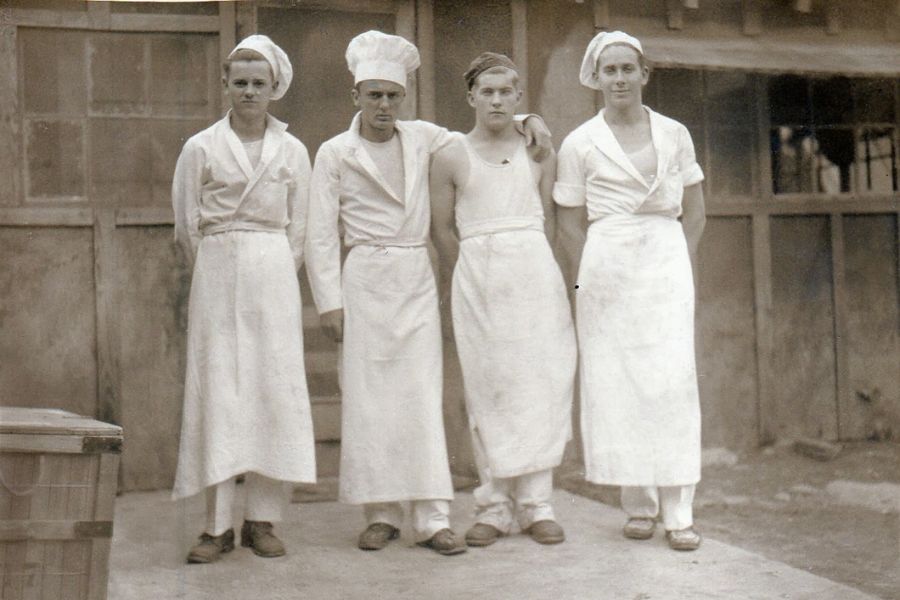
Photos Are Primary Source Documents
The Photo Managers created this initiative because they understand something vital: when photos are lost, stories disappear forever.
Here’s what makes genealogists – hobbyists and professionals! – different from other people participating in Save Your Photos Month. While most people preserve photos for sentimental reasons—and that’s wonderful—we genealogists are preserving primary source documents.
Yet here’s what surprises me: many experienced family historians completely overlook photos as legitimate source material. They’ll spend hours analyzing census records and vital documents while ignoring boxes of family photos that contain equally valuable genealogical evidence.
These aren’t just family keepsakes; they’re evidence. They’re clues. They’re often the only record of relationships, locations, and life events that official documents completely missed.
Think about it: birth certificates tell you when someone was born, but they don’t show you who held that baby. Marriage records give you a date and names, but they don’t reveal which family members attended or how the couple met. Census records list household members, but they can’t capture the uncle who visited every summer or the cousin who lived nearby.
Photos fill those gaps. They preserve the human connections that bureaucracy overlooked. They capture the informal relationships that kept families together across distances and decades. Most importantly, they often provide the only visual proof of people who left no other trace in the historical record.
When genealogists lose family photos, we’re not just losing memories—we’re losing research leads, relationship maps, and sometimes the only evidence that certain family connections ever existed.
Family History Tip
Many experienced family historians completely overlook photos as legitimate source material—while ignoring boxes of family photos that contain equally valuable genealogical evidence.
What Photos Reveal That Records Can’t
Your old family photos contain genealogy clues that no database can replicate. They reveal family dynamics, geographic movements, and social connections that official records never captured.
Photos often solve mysteries that traditional records can’t touch. They show you which family members stayed close, reveal unexpected geographic moves, and sometimes identify people who don’t appear in any official documentation. They’re particularly valuable for researching women, children, and informal family relationships that formal records often overlooked.

Reading Photos Like Historical Documents
Every family photo contains multiple layers of genealogy information if you know how to extract it. Here’s how to analyze your photos like the historical documents they are:
Dating Techniques:
- Clothing styles and hairstyles provide decade-specific timeframes
- Technology visible in photos (cars, appliances, cameras) offers precise dating
- Studio photographer stamps give exact locations and operating date ranges
- Photo paper and mounting styles indicate specific time periods
Location Clues:
- Architecture and landscape features suggest geographic regions
- Business signs, street scenes, and landmarks provide specific locations
- Studio photographer information reveals exact cities and neighborhoods
Relationship Analysis:
- Physical positioning and body language reveal family hierarchies
- Clothing formality indicates special occasions vs. everyday life
- Group compositions show family units and social connections
The most important part: every detail you can date puts your ancestor in a specific time and place. That Victorian dress style plus that specific photographer’s stamp gives you a year range and an exact city. This combination creates the foundation for targeted record searches that actually produce results.
When you know your ancestor was in Chicago between 1885 and 1890 because of photo evidence, you can search city directories, marriage records, and census data with precision instead of wandering aimlessly through databases.
This is why photo analysis isn’t just interesting—it’s strategic. You’re not just looking at pictures; you’re extracting chronological and geographical data that directs your research efforts toward the records most likely to contain information about your specific ancestors.
Keep in Mind
Photo analysis isn’t just interesting—it’s strategic.
Your Save Your Photos Month Action Plan
Here are three steps every genealogist should take this September to make Save Your Photos Month count for your research:
Step 1: Connect with the Save Your Photos Month Community. Visit The Photo Managers and follow Save Your Photos Month on social media for daily tips and motivation. You’re not doing this alone—tap into the expertise and support available.
Step 2: Document What You Know About Your Photos. Start writing on the back of physical photos or in digital metadata. [Never use a pen. Use an archival graphite pencil.] Record names, dates, locations, and family stories while you remember them. Even partial information is valuable—don’t wait until you know everything.
Step 3: Pick ONE Mystery Photo to Research This Month. Choose a photo with unknown people, unclear dates, or puzzling details. Apply the detective techniques covered above and share it with family members.
Remember: one photo breakthrough can unlock entire family lines.
The Tools That Make Photo Research Easier
Modern technology can help you extract more information from old photos than ever before. Photo enhancement software reveals details you might miss, while organization tools help you track your discoveries systematically. For specific equipment recommendations and preservation supplies, check my Amazon store for genealogy-tested tools.
Your old family photos aren’t just precious memories—they’re research clues waiting to be explored. This Save Your Photos Month, treat them like the historical documents they are. The connections you discover might just solve your biggest family mysteries.
What photo mysteries are you hoping to solve this month? Share your discoveries in the comments below


