
This post may contain affiliate links. Please see our disclosure policy.
You’ve exhausted every census record. You’ve scoured vital records databases. You’ve checked immigration documents, military records, and passenger lists. Yet your ancestor remains stubbornly elusive, disappearing from documentation just when you need them most.
Sound familiar?
Here’s what most genealogists miss: the key to breaking through brick walls isn’t in the records you’re searching—it’s in the records you’re not.
Your ancestors didn’t live in isolation. They were embedded in communities that generated extensive documentation through daily interactions, legal obligations, and social connections. While everyone searches the same vital records, the real breakthroughs often come from unexpected sources that reveal your ancestor’s community web.
After years of genealogy research, I’ve seen these five overlooked record types provide breakthrough clues when traditional sources hit dead ends.
1. Jail Records & Court Documentation
Before you skip this section thinking “my ancestors were respectable people,” consider this: jail records and court documents capture far more than criminal activity. They document family circumstances, community relationships, and social networks in ways that vital records never could. Sometimes those cases turn up more than you bargained for.
What You’ll Actually Find:
- Arrest records that list family members and character witnesses
- Jury duty records showing community standing and literacy
- Civil court cases revealing business disputes and property conflicts
- Witness lists that map social connections
- Character references that identify family friends and employers
Why This Matters for Brick Walls: When traditional records fail, court documentation often provides the missing links. A civil lawsuit might reveal your ancestor’s business partnerships. Witness lists identify neighbors who could be relatives. Even minor infractions create paper trails that place your ancestor in specific locations during gaps in other records.
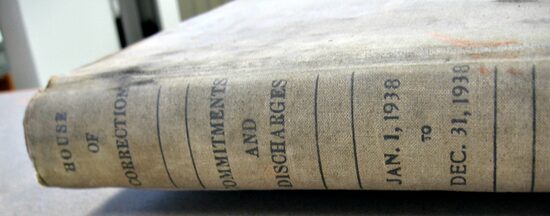
Where to Search: Most county courts are digitizing historical records, though availability varies significantly by state. Start with your state’s judicial archives, then check county court offices directly. Many genealogy databases now include court records, though coverage remains spotty. Historical newspapers are a natural companion to court records when an arrest or lawsuit made the local paper. Newspapers.com is where I’d start.
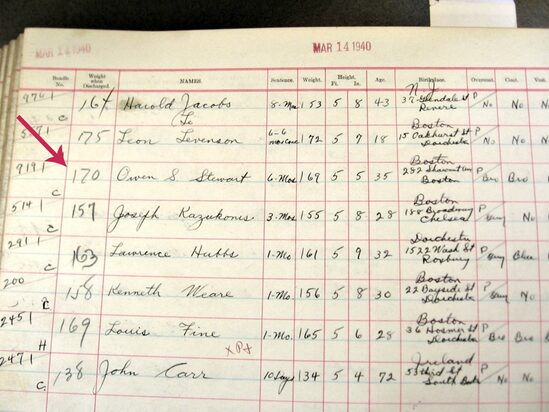
Research Tip: Search not just for your ancestor as a defendant, but as a witness, juror, or character reference. These roles often appear in records when direct documentation is missing.
2. Road Records & Infrastructure Projects
Here’s a record type that catches most genealogists off guard: road maintenance documentation. Before modern highway departments, communities maintained their own roads through county court oversight, creating detailed records of who worked together on infrastructure projects.
What You’ll Discover:
- Names of road overseers and crew members
- Lists of property owners responsible for specific road sections
- Records of community work groups and neighbor relationships
- Geographic placement of families within townships
- Evidence of property ownership and civic responsibility
The Brick Wall Connection: Road records create documented neighbor groups that reveal family clusters. When you find your ancestor on a road crew, you’re looking at their immediate neighbors—people who might be relatives, witnesses for other records, or sources of additional family information.
Strategic Research Approach: Road maintenance records typically appear in county court minutes and township records. Many state archives include these in their digitized county government collections. Search for terms like “road overseer,” “road maintenance,” “township roads,” and your ancestor’s township name.
3. Professional & Trade Records
Licensed professionals and skilled tradespeople appeared in official documentation that modern genealogists often overlook. These records track career progression, geographic movement, and professional networks that provide crucial context for family research.
Documentation Includes:
- Professional licensing records and renewals
- Trade association membership lists
- Business directories and commercial listings
- Apprenticeship records and training documentation
- Union membership and labor organization records
How This Breaks Brick Walls: Professional records often bridge gaps between census years, showing when and why families moved. A doctor’s licensing transfer explains a family’s relocation. Trade directory listings confirm occupations and business locations. Apprenticeship records reveal training relationships that might connect families.
Research Strategy: State licensing boards often maintain historical records, though digitization varies. Professional association websites sometimes include historical membership information. Check city directories not just for residential listings, but for business and professional sections that detail occupations and specialties.
4. City Directories
While many genealogists know about city directories, most underutilize their potential for brick wall research. Unlike census records that capture snapshots every ten years, directories tracked residents annually, providing year-by-year documentation of family changes and movements.
Rich Information Sources:
- Annual tracking of addresses and household composition
- Detailed occupation listings and business changes
- Spouse names and family relationship indicators
- Evidence of economic mobility and social status
- Documentation of migration patterns between census years
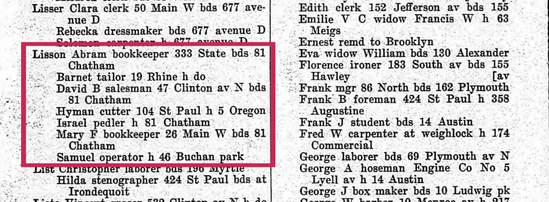
The Annual Advantage: City directories fill the crucial gaps between census records. They reveal when families moved, changed occupations, or experienced major life changes. For brick wall research, directories often provide the specific years when families appeared or disappeared from communities.
Access Points: Many directories are digitized through Google Books, university collections, and genealogy databases such as Ancestry.com and MyHeritage. Local libraries often maintain comprehensive directory collections for their regions. HathiTrust and Internet Archive provide extensive digitized directory collections searchable by location and year.
Search by your ancestor’s town and approximate year first. Check which directories cover that location, then search within the relevant collection.
Ready to try this with city directories? Follow my step-by-step guide to finding and using them.
5. School Records & Educational Documentation
School records generate community-wide documentation that reveals family priorities, economic circumstances, and local connections. These records often survive when other local documents have been lost or destroyed.
Valuable Documentation:
- School board meeting minutes with family references
- Teacher appointment records showing community connections
- School census and attendance records
- Parent participation in school activities and governance
Family History Insights: School records reveal family values, economic status, and community involvement. They show which families prioritized education, how long children attended school, and what roles parents played in educational governance. For immigrant families, school records often provide the first documentation of family settlement patterns.
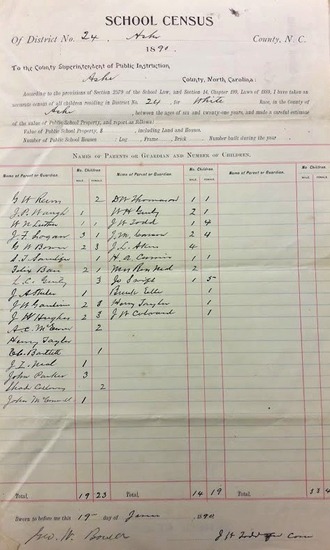
Research Locations: County school records appear in state archive digital collections and major genealogy databases, though many remain undigitized at state and local archives. University special collections often include regional school documentation, and local historical societies frequently preserve community school records.
The Community Web Strategy
These five record types work because they capture your ancestor within their community context. Instead of searching for individuals in isolation, you’re mapping the social, economic, and geographic networks that defined their daily lives.
Your Strategic Approach:
- Map the neighbors through road records and city directories
- Follow the social connections through organizations and institutions
- Track economic relationships through business and legal records
- Document community involvement through civic and educational participation
“The key to breaking through brick walls isn’t in the records you’re searching—it’s in the records you’re not.”
When you find your ancestor in road records, note who else served on that crew. When you locate them in city directories, research their neighbors. When you discover school records, look for patterns in family educational decisions.
Work the edges of your ancestor’s world, not just the center.
Making the Most of These Records
Start with digital collections at your state archives, which increasingly include county government records and community documentation. The major genealogy platforms—Ancestry, MyHeritage, and FamilySearch—continue expanding beyond vital records to include community-based documentation.
Use systematic searching rather than random exploration. Create lists of potential record types based on your ancestor’s occupation, location, and time period. A merchant would appear in business records and possibly court documents. A skilled tradesperson might have licensing records and professional associations.
Think like a community member rather than just a descendant. Your ancestors participated in the civic, economic, and social life of their communities. The documentation of that participation often provides the missing pieces that solve stubborn research problems.
The next time you hit a genealogy brick wall, remember: your ancestor’s story isn’t just in vital records—it’s woven throughout the documented life of their entire community. Sometimes the key to finding them is simply knowing where their neighbors kept the records.
Before you go: Grab the free Big Genie List — my updated reference guide to the genealogy databases and tools worth knowing, including where to find many of the record types in this post.


This blog post just made me so excited! I have been researching my family history on and off since the 1980s. I have a brick wall that I’ve been trying to solve forever, and this just gave me so many new ideas on how I can narrow down my search. Thank you so much for sharing your knowledge and experience! Looking forward to trying these ideas to see what I can find. Keep it up and i will continue to follow you!
Don’t forget deeds, wills, and newspapers. All have been very helpful in my research.
Great info. Thank you