
This post may contain affiliate links. Please see our disclosure policy.
After 15 years and literally thousands of dollars spent on genealogy tools, subscriptions, and services, I’ve learned what actually moves your research forward—and what just drains your bank account.
I’ve made expensive mistakes so you don’t have to. I’ve kept subscriptions I never used, paid full price for tools that went on sale weeks later, and bought software that promised breakthroughs but delivered dust collectors.
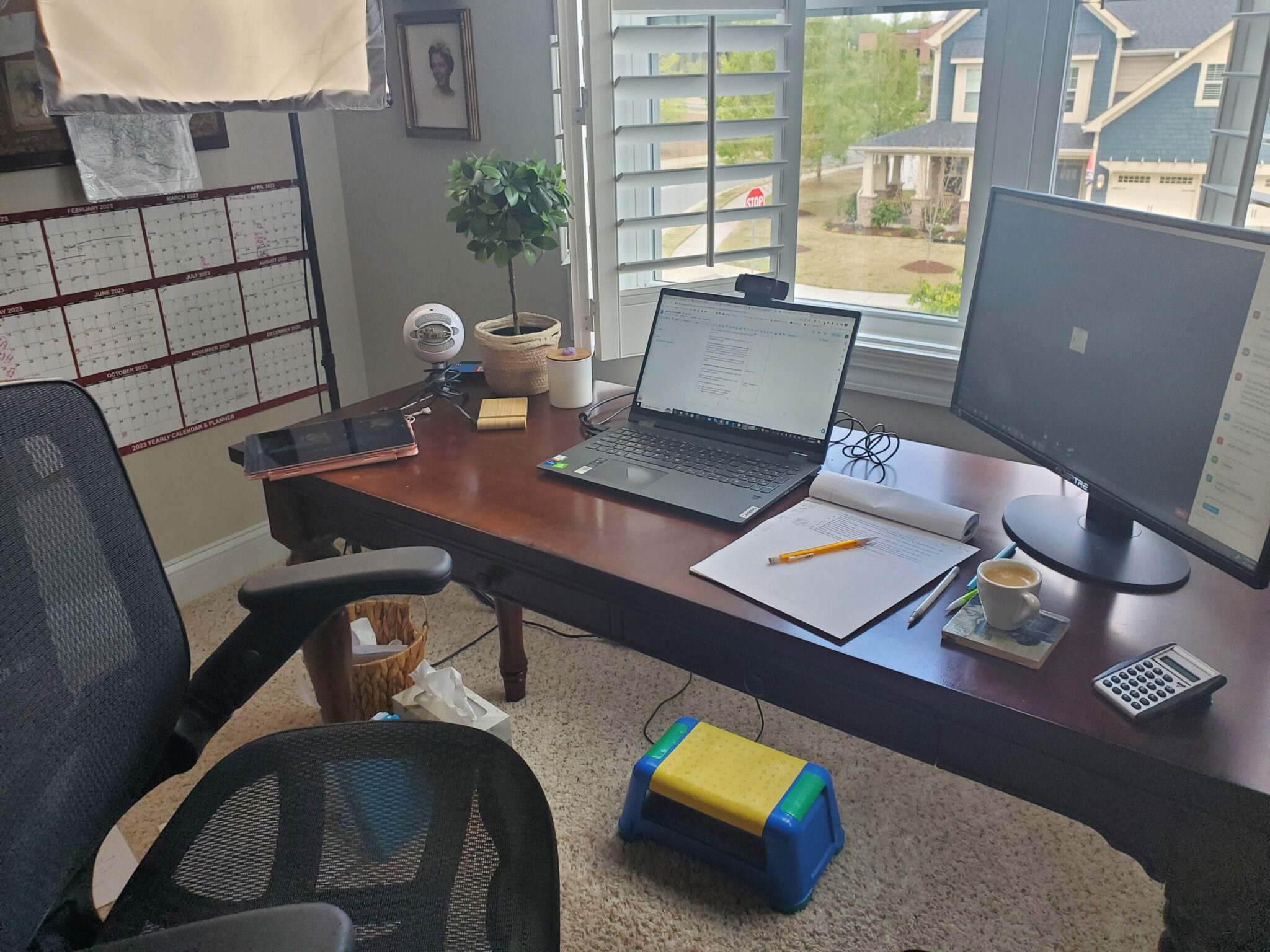
Today I’m opening up my actual research toolkit. Not the aspirational version where I use every tool perfectly. The real one—showing you the free foundations I start with, the paid tools that justify their cost, and the strategic regrets that cost me hundreds of dollars.
If you’re thinking about investing in genealogy tools during Black Friday or any time of year, this guide will save you serious money and research frustration.
Let’s start with where everyone should begin—and it costs nothing.
Free Foundations—Start Here Before Spending Anything
Before you spend a single dollar, max out these free resources. I cannot stress this enough—skipping this step is like building a house without a foundation.
FamilySearch is where every genealogist should begin. It’s completely free, has billions of records, and includes community-sourced family trees. What most people don’t realize is how much you can accomplish here before paying for anything. The collaboration features, the record hints, the ability to attach sources—all free.
State and local archives are your secret weapons. Your state archive website costs nothing and often has records that exist nowhere else. County clerk websites, local historical societies, state library collections—these are goldmines that researchers skip over on their way to pay for subscriptions.
Here’s a strategic mistake I made early on: I jumped into paid subscriptions without maximizing free trials first. Most every paid service offers a trial, but I used to sign up, poke around casually, then end up paying for months without real progress.
Better approach: Create a focused research plan BEFORE starting any trial. Know which ancestors you’re researching, what records you need, and use that trial period intensively. Then make an informed decision about whether the subscription serves your actual research needs.
If you’re new to creating a genealogy research plan, I’ve got a complete video tutorial that walks you through the process step-by-step. It’s the foundation that makes every tool—free or paid—work better.
Bottom line: If you skip these free resources and jump straight to paid subscriptions, you’re leaving money on the table and missing records that could break through your brick walls.
Paid Tools That Earned Their Place in My Toolkit
Now let’s talk about what I actually pay for and why each tool justifies its cost in my research workflow.
Ancestry.com
This is the powerhouse for US and international research. What Ancestry.com does better than anyone: depth of records, DNA integration, and that hint system that surfaces connections you might miss. [Learn how to use those hints properly!] The database is massive, the interface is intuitive, and when you’re working on American ancestors, this is where breakthroughs happen.
When it’s worth the cost: If you’re actively researching US lines and you’re serious about connecting with DNA matches. The combination of records plus DNA tools makes this invaluable for your genealogy.
Black Friday typically brings their best deals of the year—we’re talking extended subscription terms at significantly reduced rates. If you’re ready to commit to focused research, these offers provide real value.
MyHeritage
MyHeritage has a strong international and US records collections, and those photo tools are genuinely useful. The newspaper collections including their newspaper site OldNews often surface different results than what you’ll find on Ancestry—different sources, different perspectives, different coverage.
The DNA advantage is significant. MyHeritageDNA uses a different matching algorithm, which means you’ll surface different cousin matches than you found on Ancestry. I recommend testing on both platforms for this reason. You don’t want to miss an important DNA match because you tested on one site and your match tested only on the other.
Black Friday watch: MyHeritage typically offers their best deals on DNA plus subscription bundles. This is when that combination becomes most affordable.
Newspapers.com
Yes, Ancestry owns Newspapers.com, but they keep it separate for good reason—it’s specialized. The research breakthroughs that only happen in newspapers include:
- Context about your ancestor’s life beyond vital records
- Stories that reveal personality and community connections
- Mentions of unmarried names (critical for female ancestor research)
- Obituaries that reveal family connections across generations
When it’s worth the investment: Once you have the basic facts about your ancestors and you need the story.
Looking for the full story on my husband’s side of the family – I found a gangster in the family!
FindMyPast
If you have British ancestry, FindMyPast is non-negotiable. It’s the British research powerhouse with record collections you won’t find elsewhere—parish records, UK census data, military records that go deeper than other platforms.
I keep this in my toolkit even though I don’t use it daily. My personal research runs deep in the UK, so when I’m working UK lines, nothing else compares. The specialized British and Irish collections make this essential for anyone with roots in the British Isles.
Family Tree Maker
I use online family trees for my active research, but Family Tree Maker is my backup system and so much more.
It syncs with both Ancestry.com and FamilySearch, which means I can work online but have everything backed up offline where I control it. The reporting capabilities are far better than what you get in online-only systems. When I need to create detailed family reports, analyze data across multiple generations, or export information in specific formats, Family Tree Maker handles it smoothly.
This is a one-time software purchase that pays for itself in peace of mind. If anything ever happens to your online tree—account issues, platform changes, anything—you have a complete offline backup.
Black Friday typically brings significant discounts on Family Tree Maker. If you’ve been considering genealogy software for backup and better reporting, this is your window.

DNA Testing: AncestryDNA and MyHeritage DNA
I recommend testing with both companies. Here’s why: different databases, different matching algorithms, different cousin matches. Your closest genetic match might only be tested on one platform.
Black Friday strategy: This is when DNA kits hit their absolute lowest prices of the year. Stock up and buy extras for family members you’ll want to test later. These kits don’t expire for years, and you won’t see these prices again until next November.
Which relatives to prioritize: Oldest generation first, then work your way down. Test before you lose the opportunity. I cannot stress this enough—you can’t go back and test someone after they’re gone.
Storied
This is for a specific stage of research. Storied turns your research into actual stories your family will read. I use this when I have the facts and need help crafting narrative.
The piece I particularly like: you can document important people in your ancestor’s life who weren’t actually related. For example, it’s a great place to capture stories and context about “Aunt Betty” who was actually a close family friend and won’t show up on the family tree.
It’s also a place to capture and preserve your own stories to pass down to your children and grandchildren. When you’re drowning in research data but struggling to make it meaningful for family members who don’t care about census records, Storied makes it all manageable.
Photo Tools: MemoryCherish and Photomyne
Photomyne is your mobile scanning solution. The app makes it easy to digitize photos wherever you are—at family gatherings, visiting relatives, looking through old albums. The quality is solid, and the organization features help you keep track of what you’ve scanned.
MemoryCherish handles photo preservation and restoration when DIY isn’t enough. Their Black Friday packages are worth watching if you have damaged family photos that matter to your family’s story. Professional restoration for photos that matter is an investment in preserving irreplaceable memories.

Strategic Regrets—Learn From My Expensive Mistakes
Here’s what I wish I’d done differently. Learn from my expensive mistakes so you can spend your genealogy budget more wisely.
Regret #1: Subscribing Without Maximizing Free Trials
I already mentioned this in the free resources section, but it’s worth emphasizing because this mistake cost me the most money over the years.
I used to sign up for trials, poke around casually, then end up paying for months without making real progress on my research. The trial period would end, I’d think “I should keep this just in case,” and suddenly I was paying for a subscription I used maybe twice.
Better approach: Create a focused research plan before starting any trial. Know exactly which ancestors you’re targeting, what records you need, and what questions you’re trying to answer. Use that trial period intensively—block time on your calendar, treat it like a research sprint.
Then make an honest decision: Did this subscription help me make progress? Will I use it consistently?
If you can’t answer yes to both questions, don’t convert to paid. Cancel guilt-free. The subscription will still be there when you’re ready to use it properly.
Regret #2: Keeping Subscriptions I Wasn’t Using
The “I might need it” trap cost me hundreds of dollars over the years. I kept subscriptions active because I thought I’d use them eventually, or because canceling felt like giving up on my research.
Reality check: If you haven’t logged in more than twice this month, you’re not using it.
Here’s how to evaluate honestly: Look at your actual login history. Most subscription services show you when you last accessed them. If you’re paying for a subscription but only using it sporadically, you’re better off canceling and resubscribing when you have focused research needs.
My current approach: I keep the subscriptions I use regularly for both my client work and personal research. But I’m honest about what “regular use” actually means. If a subscription sits unused for months, I cancel it. It’ll be there when I need it again.
Regret #3: Not Buying Physical Tools During Sales
I paid full price for my scanner, external storage, and archival supplies because I thought “I need this now” without checking if sales were coming.
Black Friday is when you invest in physical genealogy infrastructure. Scanners, backup drives, archival storage—these purchases serve you for years, and Black Friday pricing makes them affordable.
Don’t make my mistake. If you need physical tools and it’s not urgent, wait for Black Friday. If you’ve already missed Black Friday this year, put it on your calendar for next November.
Don’t buy tools for the genealogist you wish you were—buy for the researcher you actually are right now.
Your Black Friday Strategic Framework
Let’s talk about how to approach Black Friday genealogy shopping like a strategic researcher, not an impulsive buyer.
Before Black Friday: Preparation Phase
Make your research inventory. What tools do you actually use? What gaps exist in your toolkit? What ancestors are you actively working on?
Identify your research priorities. What records do you need access to? What specific problems are you trying to solve?
Reality check: Don’t buy tools for the genealogist you wish you were—buy for the researcher you actually are right now.
What to Buy During Black Friday
DNA Kits—Always Worth It
Black Friday brings the lowest DNA kit prices of the year.
Buy extras. These kits don’t expire for years. Think about family members you’ll want to test later—elderly relatives, cousins, siblings who might be more interested in a few months.
Priority testing: Oldest generation first. You can’t go back and test someone after they’re gone. This is not the place to procrastinate.
Subscriptions—Only If You’re Ready to Use Them
Only subscribe if you have a research plan and will use it actively.
My rule: If I can’t name three specific ancestors I’ll research and three specific record types I need access to, I don’t subscribe.
Don’t buy just because something is “on sale.” A subscription you won’t use is never a good deal, no matter how steep the discount.
If you can’t name three specific ancestors you’ll research and three specific record types you need, don’t subscribe—no matter how good the deal is.
Physical Tools—Stock Up
Scanners often appear in Black Friday discounts. This is the best annual pricing you’ll find. If you need a scanner for photo digitization, this is when you buy.
External hard drives for backup—your backup system is non-negotiable. I use a LaCie external drive, and you can find it in my Amazon store tech tools section.
Archival supplies from my Amazon store Saving Your Family Photos section—storage solutions that protect your family history for the long term.
These purchases last years, so invest in quality during sales.
Software—One-Time Purchases
Family Tree Maker and similar programs typically offer significant discounts during Black Friday. If you’ve been considering genealogy software for offline backup and superior reporting, this is your buying window.
What to Skip During Black Friday
“Instant family tree” services that promise to build your tree automatically—these are always bad value, even on sale. They prey on people who want results without effort. Skip them entirely.
Generic organizational products—you can create better systems yourself with basic office supplies. Don’t pay premium prices for genealogy-branded items that are just repackaged basic supplies.
Subscriptions you’re not ready to use actively. I don’t care how good the deal is—if you won’t use it consistently, it’s not a deal.
The Week-After Strategy
Some deals actually improve during Cyber Monday. Extended sales often run through early December. Don’t panic-buy on Black Friday if you’re unsure.
The fear of missing out leads to purchases you’ll regret. Better to wait and buy strategically than to buy impulsively and waste money.

My Actual Current Toolkit
Here’s what I actually keep in my active research rotation, and how I think about genealogy investments.
What I Use Year-Round
FamilySearch: Free, and still central to my research process. This hasn’t changed in 15 years.
Ancestry.com, MyHeritage, Newspapers.com, and FindMyPast: I keep these subscriptions year-round. Part of this is because of my professional work with clients, and part is because I’m doing extensive personal research consistently. I use these tools regularly enough to justify the ongoing cost.
Family Tree Maker: One-time software purchase that’s paid for itself many times over in data control and backup peace of mind.
External storage: My LaCie drive from my Amazon store tech tools section. Backup is non-negotiable.
Archival supplies: Ongoing investment as needed from my Amazon store preservation supplies section.
My Amazon Store Essentials
I’ve curated three sections that contain the physical tools I actually use:
Photo Organization & Scanning Essentials —The equipment that makes digitization manageable
My Favorite Genealogy Tech Tools —Travel research kit, backup solutions, tech that serves researchers
Saving Your Family Photos—Archival & Preservation Supplies —Long-term storage that protects your family history investment
These are tools I trust and use. They’re not genealogy-branded markup—they’re quality products that happen to serve genealogy needs perfectly.
How I Think About Investment
Rather than giving you specific dollar amounts that may not match your situation, here’s my framework:
Your toolkit should serve your research, not sit there making you feel guilty for not using it. Every dollar you spend on tools you don’t use is a dollar you can’t spend on tools that would actually move your research forward.
Evaluate subscriptions honestly based on actual use, not intended use. We all want to be the genealogist who researches daily. Most of us research in focused bursts. Design your toolkit for reality, not aspiration.
Physical tools—scanners, storage, preservation supplies—these are one-time investments that serve you for years. Don’t cheap out on infrastructure that protects decades of research work.
The money you save on unnecessary tools becomes money you can invest in DNA testing family members, attending conferences, or hiring professional researchers for your toughest brick walls.
Action Plan Based on Your Experience Level
Here’s exactly what to do next based on where you are in your genealogy journey.
If You’re Just Starting Genealogy
First: Max out FamilySearch and free state archives. You need this foundation before spending anything.
Second: Try Ancestry.com and/or MyHeritage with a free trial and a focused research plan. Don’t waste the trial—use it intensively.
Third: Consider DNA kits during Black Friday sales and basic archival supplies from my Amazon store.
Skip: Multiple subscriptions and expensive tools. You don’t need everything at once.
If You’re An Active Researcher
Audit your current subscriptions. Are you actually using them? Be honest.
Make your Black Friday list based on actual research gaps, not wishful thinking.
Watch for: DNA kit deals, subscription extended terms, and scanner discounts during Black Friday.
Invest in physical infrastructure you’ll use for years—storage, preservation, backup.
If You’re A Seasoned Researcher
This is your year to invest in physical tools at Black Friday prices. Upgrade your scanner, expand your backup system, stock up on archival supplies.
Audit your subscriptions. Even seasoned researchers sometimes keep subscriptions out of habit rather than need.
DNA test strategically—older relatives first, different testing companies for broader matching potential.

Conclusion: Your Next Steps
I’ve spent 15 years and thousands of dollars learning what genealogy tools actually work. Some investments transformed my research. Others taught me expensive lessons about what not to buy.
The comprehensive Black Friday genealogy shopping guide I’ve shared here will save you from the mistakes I made. Whether you’re just starting out or you’re a seasoned researcher planning holiday purchases, this framework helps you invest strategically.
Your next steps:
Watch my companion YouTube video where I walk through my actual toolkit and demonstrate several of these tools in action. [YouTube video link]
Browse my Amazon store sections for the physical tools I actually use—no genealogy-branded markup, just quality products that serve researchers.
The tools are just tools. What matters is the research skills you develop and the family stories you preserve. Invest wisely, research strategically, and never buy for the genealogist you wish you were—buy for the researcher you actually are right now.


Will family tree maker work on an iPad? I sent them a message and never heard back. Also Photomeyne is a paid yearly platform. If you don’t renew you lose access to your photos. I recommend downloading them so you have them. Learned the hard way.
A free alternative to Family Tree Maker is Brothers Keeper. I’ve used it for years and the reporting features are great. You have an option to upgrade to a paid version. But the free one is great and it keeps getting better with free updates.
I keep all of my subscriptions because I’m supporting a genealogy resource and I want them to stay viable. I hear people complain about the cost but they are bargains. As a retired software developer I find it hard to imagine the costs of running ancestry.com.